Why Outdoor Rental LED Screen Visuals Dominate Massive Festivals
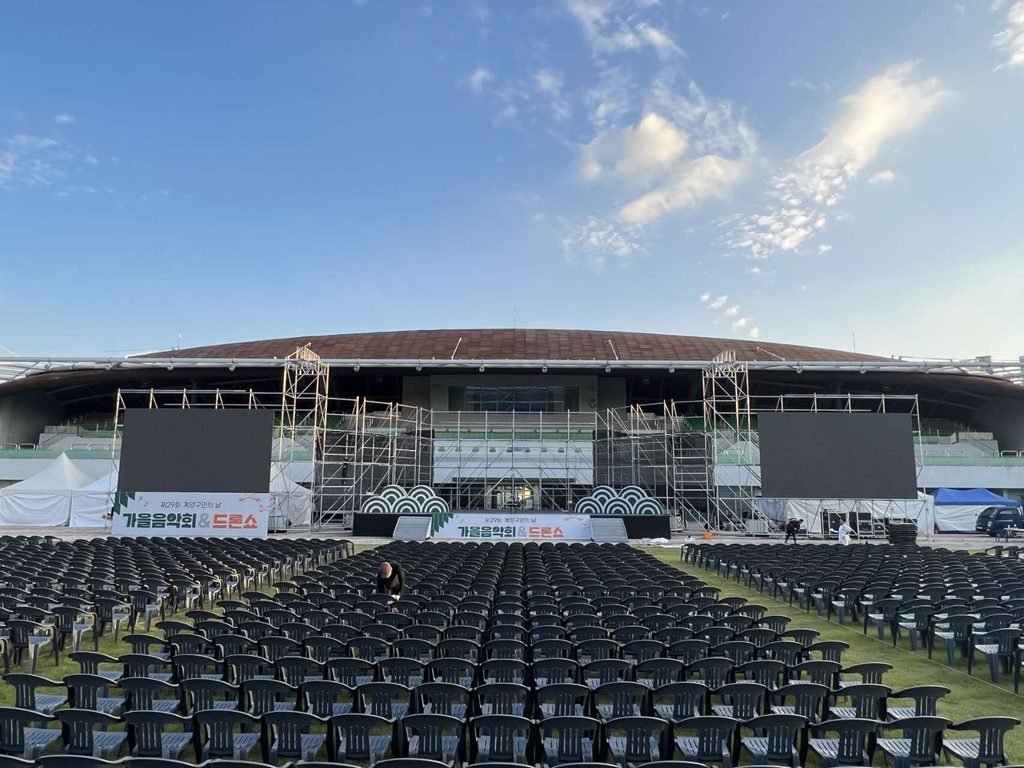
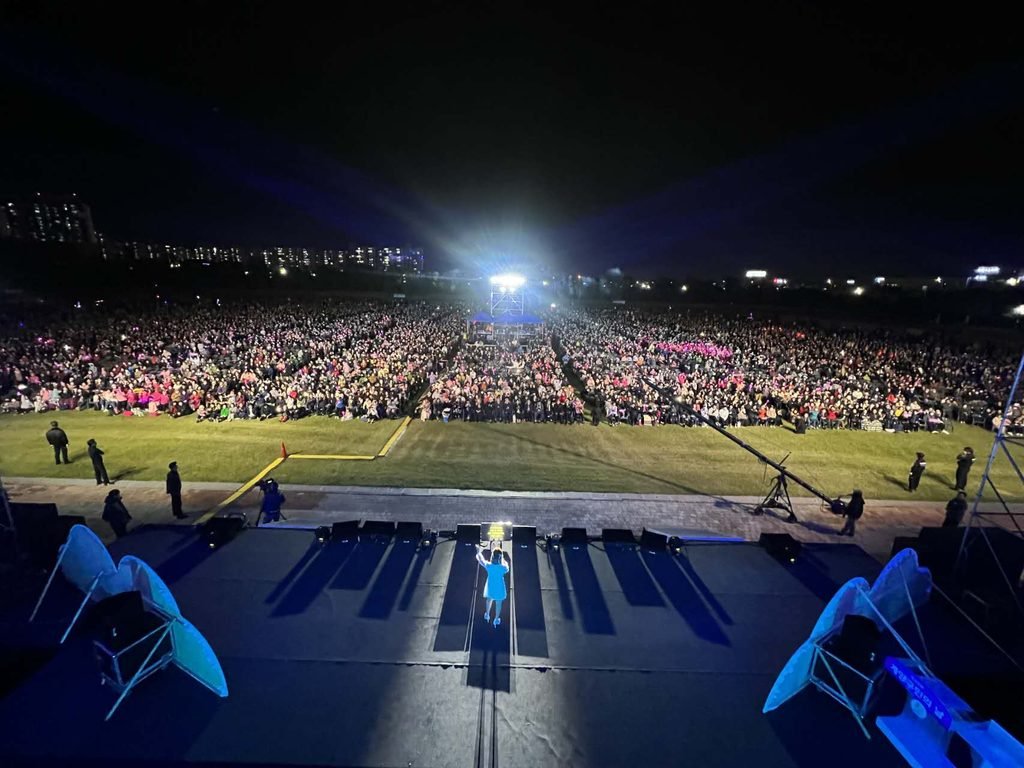
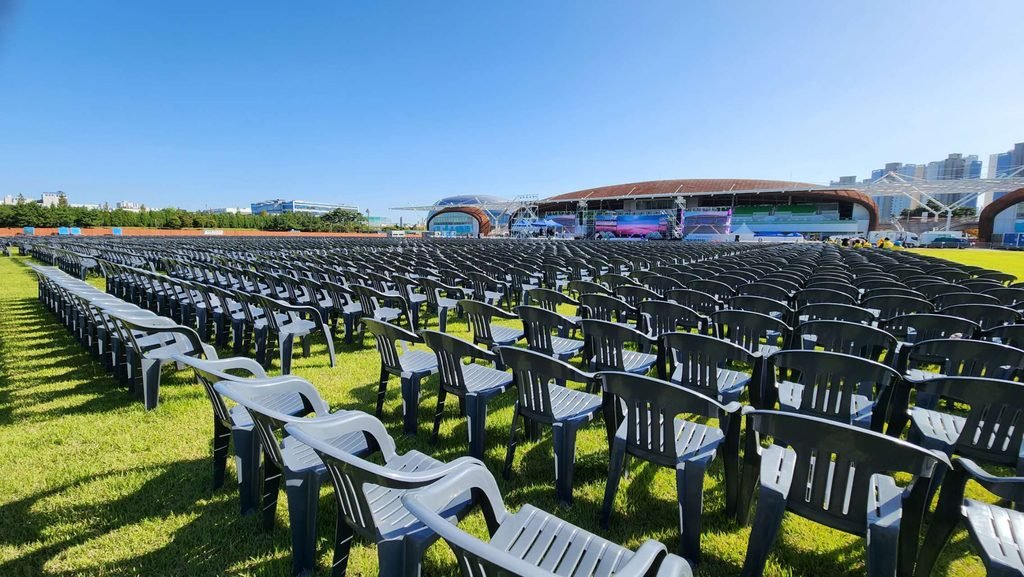
Modern outdoor festivals are visual-first experiences. At the recent Incheon Gyeyang-gu Autumn Music Concert and Drone Show in South Korea, nearly 20,000 attendees filled a massive open-air venue. In such expansive settings, the vast majority of the audience sits far from the physical stage. To bridge this gap and keep spectators engaged, event organizers rely heavily on an outdoor rental LED screen system configured as IMAG (Image Magnification) side walls and dynamic stage backdrops.
Designing a video wall layout for an outdoor stadium or athletic field requires specialized hardware that can handle challenging environmental conditions while delivering high-impact image clarity. This guide explores the engineering choices, structural considerations, and setup tips behind successful large-scale outdoor festival screen deployments.
Overcoming Environmental Challenges: Brightness and Weather Resistance
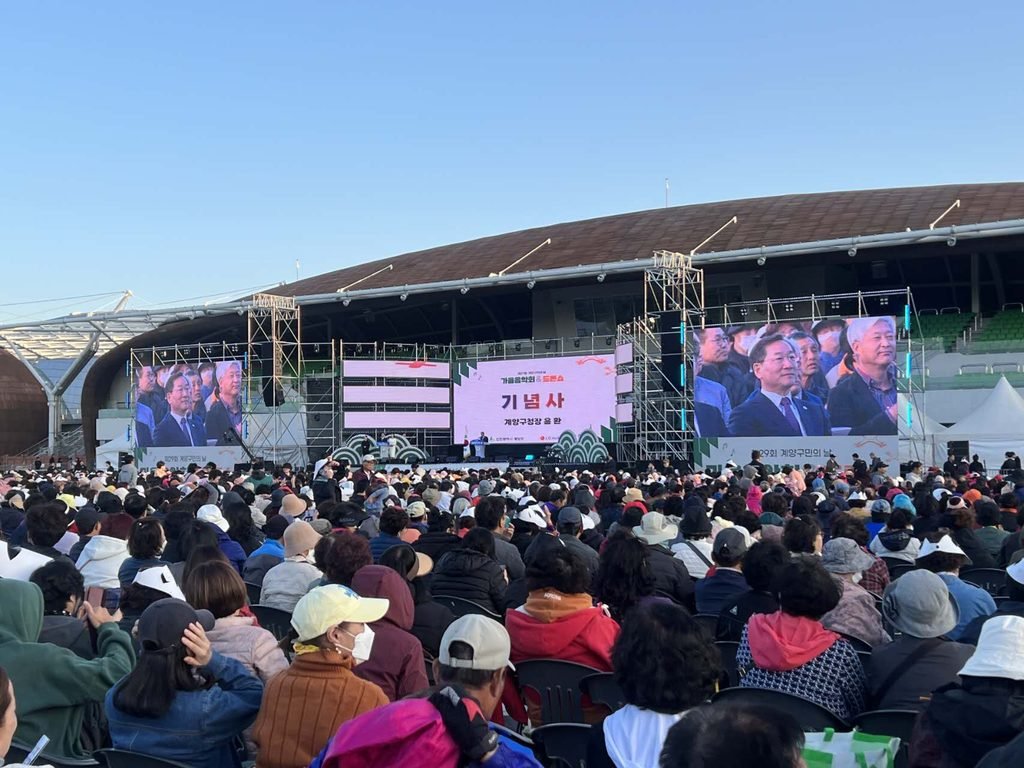
The primary obstacle for any outdoor display is direct sunlight. Standard indoor screens look washed out and unreadable under ambient daylight. To remain fully visible from midday soundchecks through to nighttime performances, an outdoor rental LED screen must feature high-brightness capability, typically rated above 4,500 nits (the standard unit of measurement for screen brightness, critical for overcoming bright daylight glare).
Furthermore, outdoor environments are unpredictable. Morning dew, sudden rain showers, and dry windborne dust pose constant threats to electronic modules. Professional event production teams utilize cabinets with strong IP (Ingress Protection) ratings, such as IP65 water and dust protection. These cabinets feature sealed backside power boxes, waterproof connector cables, and hydrophobic mask coatings that shed water quickly, ensuring continuous operation even in torrential downpours.
Designing the Three-Screen Stage Layout
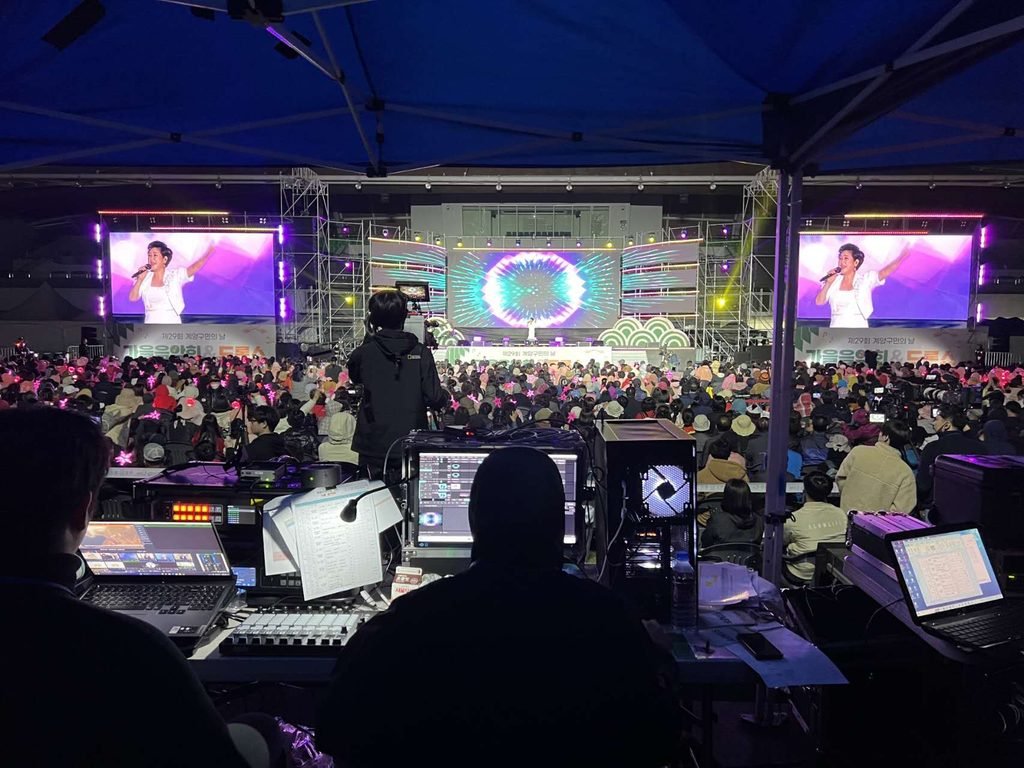
During the Incheon festival, the visual production team utilized a highly effective three-screen layout to maximize audience sightlines:
TEXT+------------------+ +------------------------+ +------------------+| | | | | || Left IMAG | | Main Stage Backdrop | | Right IMAG || (Camera Feed) | | (Creative Content) | | (Camera Feed) || | | | | |+------------------+ +------------------------+ +------------------+
- Flanking IMAG Side Screens: Hung from heavy-duty truss structures on the left and right of the stage, these vertical format screens broadcast close-up live camera feeds of the performers. This setup allows spectators sitting hundreds of feet away to see facial expressions and stage action clearly.
- Central Stage Backdrop Screen: Placed behind the performers, this wide-format screen displays high-definition background graphics, digital art, and thematic videos that set the artistic mood for each musical piece.
To achieve seamless playback, these screens require a low pixel pitch (the physical distance in millimeters between the centers of two adjacent pixels, which dictates the minimum viewing clarity) of around P2.97 to P3.91. This range guarantees that the audience perceives a solid, unified image rather than individual color dots, even from closer viewing zones.
Camera-Ready Technology: Eliminating Screen Flicker
In the age of social media and live television broadcasting, festival screens must be engineered for cameras. If a screen utilizes low-grade driver ICs, viewers on-site and at home will see horizontal black bars or rolling wave patterns across the video wall when filming with smartphones or television cameras.
To solve this problem, premium outdoor rental LED screen panels feature ultra-high refresh rates (the number of times per second the screen updates its display image, which eliminates flickering on cameras) reaching up to 7,680Hz. This high-frequency switching keeps the visual display perfectly stable, allowing smooth photography and crisp video broadcasting without visual artifacts.
Structural Safety and Visual Synchronization
Rigging massive video walls outdoors requires careful structural engineering. A large LED wall acts like a giant sail; wind loads can exert thousands of pounds of lateral force on scaffolding towers. For the Incheon stage, engineers deployed heavy-duty aluminum trussing with integrated rear ballast weights and wind-permeable rear mesh screens to secure the structures.
Additionally, to build a truly immersive concert environment, the visual display must be tightly integrated with seestar advanced production lighting setups. By routing the video processor signals, media servers, and lighting consoles through a central timecode clock, the color temperature of the LED screens (calibrated to match natural skin tones) can shift in perfect synchronization with the surrounding stage lighting.
Whether you are coordinating a regional music festival or sourcing rental inventory for touring productions, choosing a reliable, high-refresh, and high-brightness outdoor rental LED screen is the key to delivering unforgettable visual storytelling under the open sky